Shade Range Strategy 101: How to Pick Inclusive Shades


Inclusion and inventory can coexist
Beauty customers expect inclusive shade ranges, but large shade matrices can trap cash in slow movers. The goal is to serve all undertones and depth levels while keeping stock nimble. With a few data‑led rules and flexible supply, you can deliver coverage without bloating inventory.
Know your base: undertone and depth mapping
Start by mapping customers by undertone (cool, neutral, warm, olive) and depth (very fair to deep). If you have store or online sales, review your top 20 sellers by shade and classify them by undertone and depth. Often you’ll see a Pareto pattern: a core of 8–12 shades drives most sales, with long‑tail shades selling slower but vital for inclusivity and brand trust.
Create a “core vs cover” list:
- Core shades: the 8–12 SKUs that make up the bulk of sales; keep these in higher par levels.
- Coverage shades: additional tones that ensure inclusivity; keep in lower par levels, replenish more often.
At Central Cosmetics, we can help you shape a core + coverage plan per brand with mixed cases and small top‑ups so you don’t need to overcommit.
Use data, not guesswork
Three simple inputs beat guesswork every time: historical sales, postcode demographics, and channel mix. If your customer base skews online and nationwide, your shade demand may be more evenly spread. If you serve a local area with a particular demographic profile, tailor your depth emphasis accordingly. Overlay returns data—foundation and concealer returns are often shade‑related—to identify where education or imagery needs a lift.
Build a small test cadence: for any new range, buy a slim initial shade ladder that covers each undertone across light, medium, tan, and deep, then widen the ladder based on actual sell‑through. We’re happy to support test buys with fast follow‑on replenishment so you can scale winners early.
Curate intelligently by product type
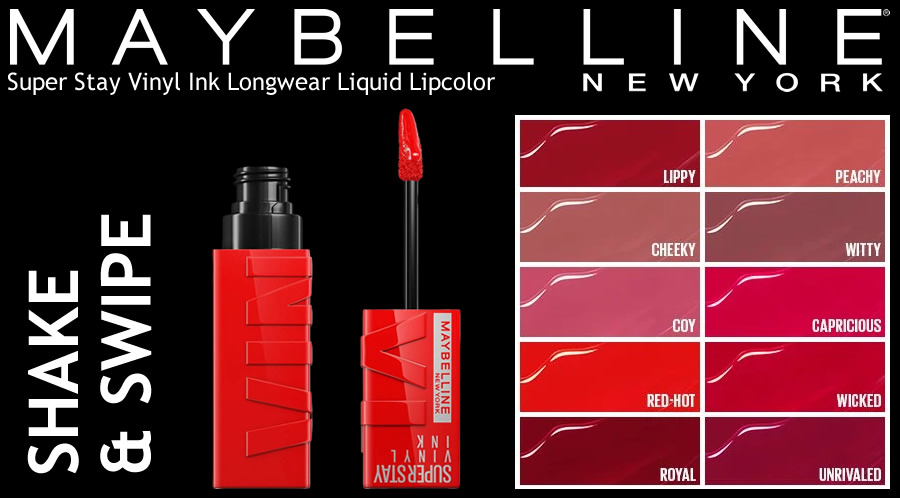
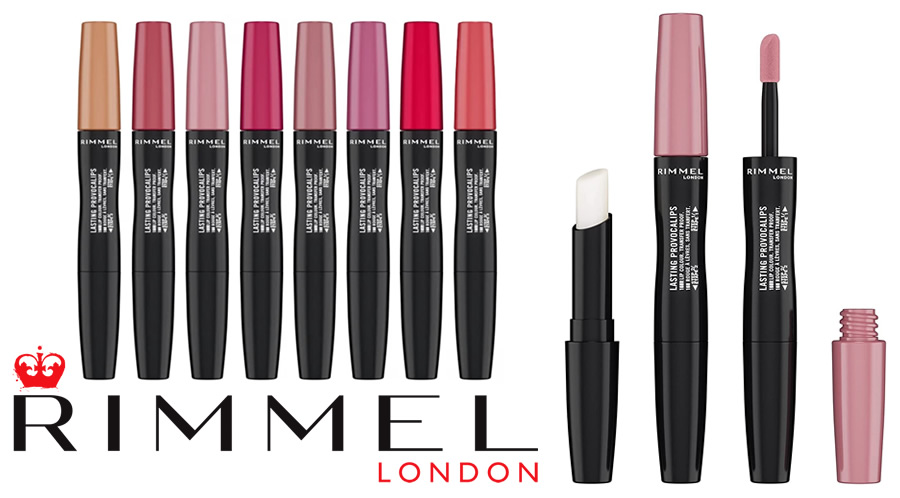
Not every category needs the same shade breadth. Foundations and concealers demand the widest coverage. Tinted moisturisers can run narrower but should still span undertones. Lipstick can be curated around trend families (nudes, berries, reds) with a balance of warm and cool. Blush requires fewer shades but must cross undertones; one warm peach, one neutral rose, one cool pink, and a deeper berry can cover most needs. Highlighters benefit from at least two tones (champagne/gold and rose/bronze).
Avoid duplicate shades with different names. Group by undertone/depth and trim duplicates to reduce cannibalisation. Central Cosmetics can recommend cross‑brand equivalents so you don’t stock three near‑identical neutrals.
Visuals that reduce returns
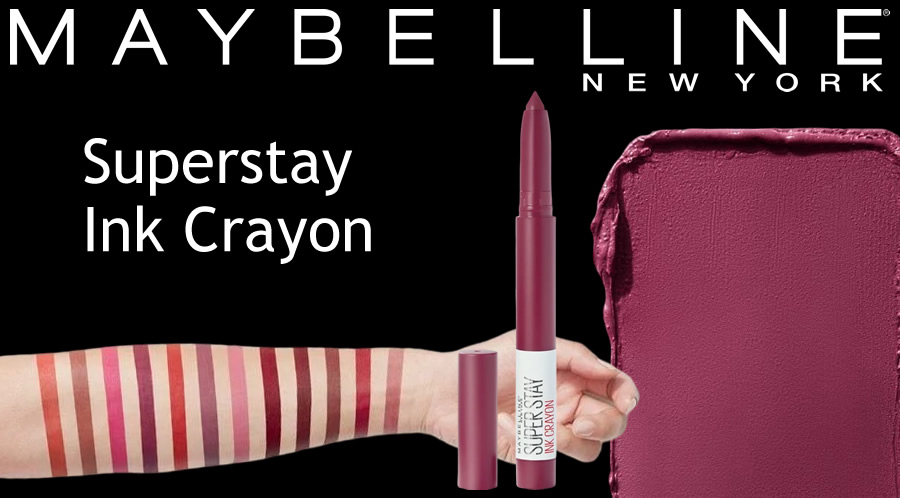
Shade‑accurate assets reduce the urge to “buy two and return one”. Publish swatches on multiple skin tones, add undertone labels in the title or bullets (e.g., “Light 2N – Neutral”), and include a quick guide to undertone self‑assessment. Short try‑on videos are powerful: natural light, no filter, and a clear voiceover about finish and coverage.
Provide adjacent recommendations on each shade page: “If you’re between shades, try shade X for olive undertones” or “Layer with a neutraliser”. Offer universal adjusters where relevant (e.g., mixers that warm or deepen), which can reduce the number of shades you must carry while still achieving a perfect match.
Order smarter: smaller lots, faster turns
Overstocking often begins with rigid MOQs. Push for mixed cases and staggered deliveries so you can scale with demand. For core shades, set higher par levels and automatic reorders once you hit a threshold. For coverage shades, keep pars lean and top up monthly based on sell‑through. If you sell across UK and Europe, keep a lightweight buffer in your best‑selling shades in a central location to avoid runouts across markets.
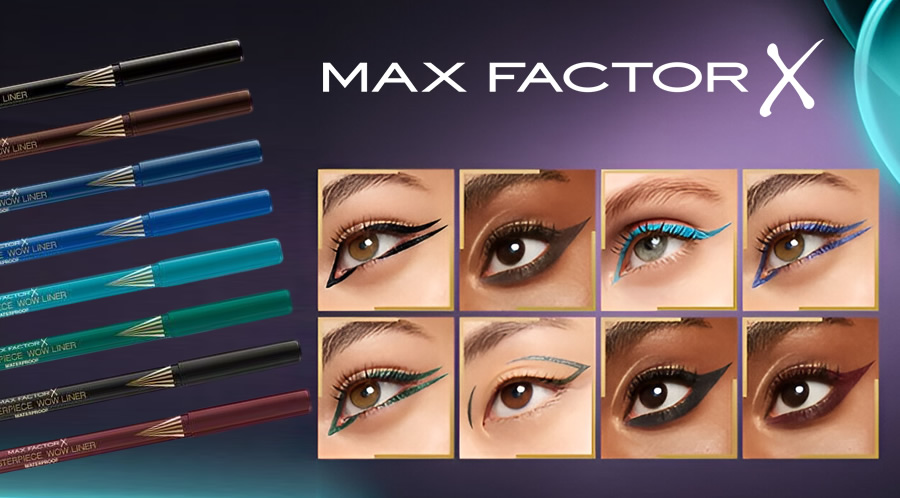
Central Cosmetics specialises in flexible wholesale for UK and EU resellers. We can supply mixed cases across brands like Maybelline, L’Oréal Paris, Rimmel, NYX Professional Makeup, Max Factor and more, with quick replenishment so you stay inclusive without parking cash in slow movers.
Seasonal nuance without overbuying
Seasonality shifts complexion demand. In summer, customers often choose slightly warmer or deeper shades; in winter, slightly lighter or neutral. Instead of duplicating your entire ladder, adjust your par levels for existing shades seasonally and use mixers to bridge gaps. For lips and cheeks, seasonality is more trend‑driven—lean into capsule edits (e.g., “summer brights”, “autumn berries”) rather than ballooning catalogue size.
Contact Us:
For inquiries and wholesale orders, please contact us through our contact page or call us on 0161 637 6266. Let us help you get your makeup ready for the summer season!
For more information on our wholesale prices and to place an order, visit our shop here.