
Behind the Mirror: Navigating and Overcoming Cosmetics Challenges


Meeting and Beating Cosmetics Industry Challenges
The dynamic and ever-evolving world of beauty and makeup is a captivating realm that captures the essence of personal expression and the joy of transformation. For centuries, cosmetics have played an integral role in cultures worldwide, and today, they represent a multi-billion-dollar industry that intersects with health, fashion, and technology. With this immense growth and deep-seated cultural relevance, the cosmetics industry offers a plethora of opportunities for entrepreneurs eager to leave their mark.
However, as with any booming industry, the realm of cosmetics comes with its unique set of challenges. These range from navigating a densely populated market to staying abreast of rapidly changing trends, to addressing the increasing consumer demand for sustainable and ethical products. The beauty of these challenges? They all present opportunities – not just for growth, but for real, meaningful innovation.
Every entrepreneur who dives into this vibrant industry faces these hurdles head-on, armed with creativity, determination, and the drive to bring forth products that resonate with consumers. But recognising these challenges is just the first step. In this article, we aim to delve deeper, shedding light on the most common obstacles in the cosmetics business and offering tangible, actionable solutions to navigate them successfully.

1. Standing Out in a Saturated Market
Challenge:
The cosmetics industry, being one of the most vibrant sectors today, is also among the most saturated. With new brands emerging seemingly overnight and established giants continuously innovating, the market landscape is both exciting and overwhelming. For newcomers and even for some established brands, differentiating oneself and gaining consumer attention can seem like a herculean task in this ocean of offerings.
Understanding the Market:
To navigate this saturation, it’s essential to first understand the depth and breadth of the market. There are myriad segments within the cosmetics industry – from luxury, high-end brands to budget-friendly, everyday products, from organic skincare lines to bold makeup palettes, and so on. Recognising where your brand fits within this spectrum is the first step.
Solution:
- Niche Focus: In a vast market, sometimes the key is to think smaller. Focusing on a specific niche or target audience can set a brand apart. This could mean catering to specific skin types, emphasising unique ingredients, or aligning with particular lifestyle choices like vegan or eco-friendly products.
- Authentic Brand Story: Consumers resonate with authenticity. Crafting a genuine brand story that communicates the ‘why’ behind your brand can build trust and loyalty. Perhaps it’s a family recipe, a passion for sustainable beauty, or a commitment to specific community values – such stories connect on a personal level.
- Engage with the Community: Establishing a strong digital presence where you engage directly with your audience can foster a sense of community. Listening to their feedback, addressing their concerns, and involving them in aspects of your brand (like product development or naming) can make them feel valued and more connected to your products.
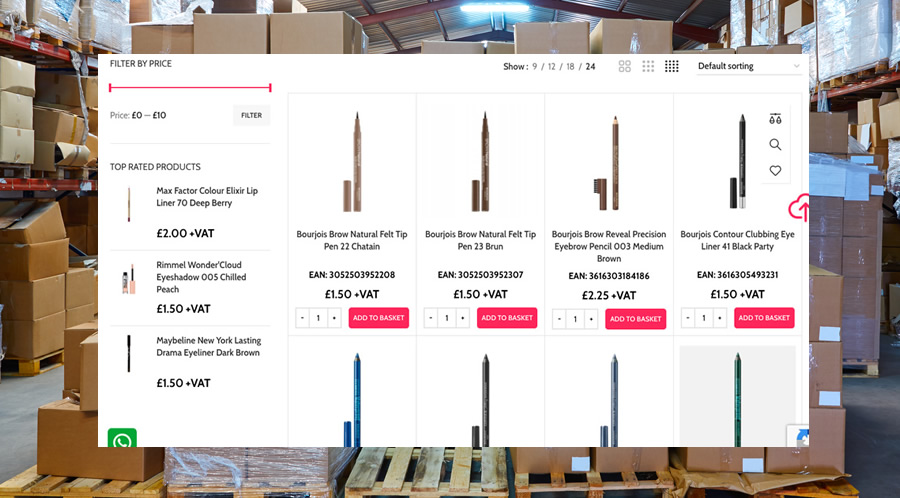
- Continuous Innovation: While maintaining brand consistency is vital, continuous innovation can keep the audience excited. This could mean seasonal product launches, limited-edition releases, or even just tweaking existing products based on customer feedback. Taking into account this, in Wholesale makeup we try always to have new products every month so our clients can have different options for their business… Check out some of the most new recent products, click HERE!
Final Thought: Standing out doesn’t always mean being the loudest or the most extravagant. Sometimes, it’s about being genuine, consistent, and showing that you genuinely care about your customers. In the vast world of cosmetics, there’s space for everyone, and with the right strategies, your brand can shine uniquely.

2. Regulatory Hurdles
Challenge:
The beauty and cosmetics industry isn’t just about creating alluring products; it’s deeply intertwined with health and safety. Given that cosmetics are applied directly to the skin and, in some cases, around sensitive areas like the eyes and mouth, there’s a heightened emphasis on ensuring products are safe for consumer use. Regulatory bodies across the world have established stringent standards and guidelines that cosmetic products must adhere to before they can be introduced to the market.
Understanding the Regulatory Landscape:
Navigating these regulatory requirements can be complex, as they often differ from country to country. While some nations might have exhaustive lists of banned ingredients, others may focus more on manufacturing processes or labeling standards. Moreover, as scientific research progresses and we learn more about specific compounds, regulatory guidelines are continuously evolving.
Solution:
- Stay Informed: One of the most fundamental steps is to be aware of the regulations specific to the regions where you plan to sell. Subscribing to industry newsletters, joining professional associations, and frequently reviewing the guidelines set by regulatory bodies can help stay updated.
- Invest in Testing: Before launching any product, thorough testing, both for safety and efficacy, is crucial. This may involve dermatological tests, stability tests, and, in some cases, clinical trials. Such rigorous testing not only ensures regulatory compliance but also builds consumer trust.
- Leverage Experts: Consider hiring or consulting with regulatory experts, especially when expanding to new markets. These professionals can offer insights into local regulations, helping avoid potential pitfalls and ensuring smooth product launches.
- Transparent Communication: Should a product face regulatory scrutiny, transparency is vital. Openly communicating with both regulatory bodies and consumers can maintain trust and demonstrate the brand’s commitment to safety and integrity.
- Sustainable and Ethical Considerations: As the industry grows, there’s a rising demand for cruelty-free and sustainably-sourced cosmetics. While these may not always be regulatory requirements, they’re becoming industry standards that can influence consumer purchasing decisions.
Final Thought: Regulatory compliance is not just a legal obligation; it’s a testament to a brand’s dedication to delivering safe, high-quality products. By proactively addressing these hurdles, brands can ensure their longevity in the market and foster a lasting, trusting relationship with their consumer base.

3. Supply Chain Issues
Challenge:
The cosmetics industry, with its intricate formulations and packaging needs, relies heavily on a complex supply chain. From sourcing raw materials to the manufacturing, packaging, and distribution of the final product, each step presents its own challenges. Global disruptions, such as pandemics, geopolitical tensions, or environmental events, can strain or even break parts of this chain, leading to product shortages, increased costs, or quality issues.
Understanding the Supply Chain Dynamics:
Before diving into solutions, it’s crucial to grasp the intricacies of the cosmetics supply chain. For instance, certain ingredients might be sourced from specific regions due to their unique climatic conditions or biodiversity. Packaging, often a key differentiator in cosmetics, can have its own set of suppliers, each with their constraints.
Solution:
- Build Strong Relationships: Beyond just transactional dealings, building genuine, long-term relationships with suppliers can pay dividends. Suppliers are more likely to support brands they have a strong relationship with during tough times, be it with flexible payment terms or prioritizing deliveries.
- Inventory Management: Invest in modern inventory management systems. Real-time tracking of stock levels, shelf-life monitoring, and predictive analytics can help anticipate issues and allow for proactive
With the right research and planning, you can create a successful make-up business using the vast selection of social media platforms available to you. If you have any questions or simply want to talk about how to place an order, simply use our contact form to get in touch.